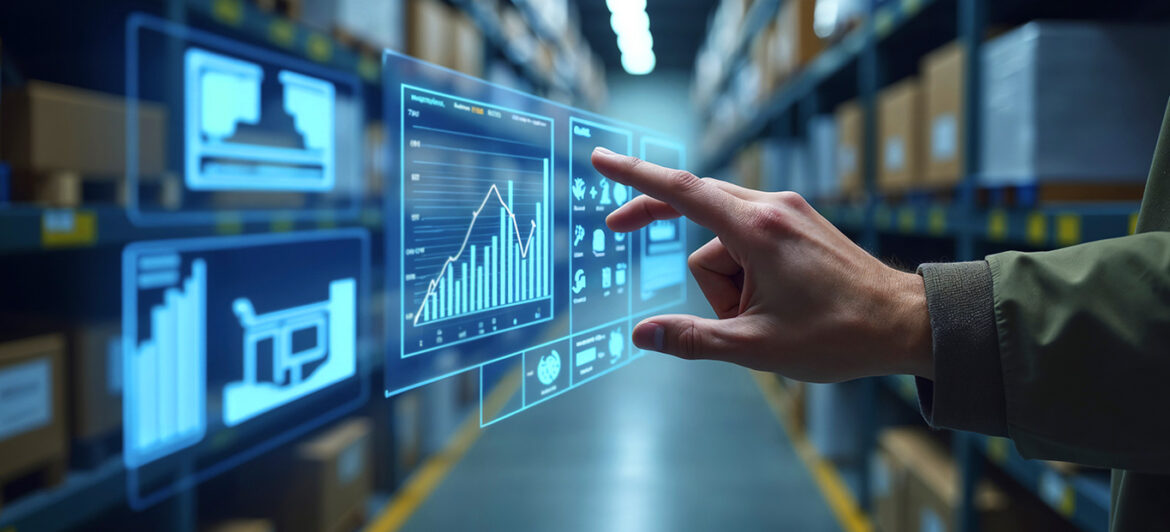
Foreign trade is undergoing a true and not-so-silent revolution. Digital transformation has profoundly impacted the customs sector, promoting greater efficiency, security, and agility in international procedures. In this scenario, digital customs processes are gaining prominence, with automation as an essential pillar for modernizing operations and reducing bottlenecks.
This article presents a comprehensive overview of how digitalization and automation are reshaping customs processes, the benefits of this transformation, the challenges faced, and what the future holds for the sector.
The digitalisation of customs processes refers to the conversion of physical documents, data, and workflows into electronic formats, with the goal of making procedures more efficient and traceable. This transformation goes far beyond simply replacing paper with digital files: it involves reorganizing processes, integrating systems, and optimizing communication between importers, exporters, customs brokers, and tax authorities.
The use of platforms such as the Single Window for Foreign Trade in Brazil, for example, is an example of how digitalization is already underway. Processes such as the DU-E, DUIMP (Single Import Declaration) and the Product Catalog are clear examples of the new digital reality.
The automation of customs processes represents a step beyond digitalisation. It involves the use of technologies so that repetitive or rule-based tasks are performed by systems or robots, reducing the need for human intervention.
Some practical applications include:
Customs automation significantly contributes to avoiding human error, reducing lead times, and increasing control over logistics flows.
The transition to digital and automated customs processes is not just a modernization, but a strategic necessity that generates numerous gains for all parties involved: companies, regulatory bodies, and the country itself. This transformation translates into tangible competitive advantages, boosting efficiency and the global economy. Key benefits include:
1 – Reduction of operational costs
By eliminating excessive reliance on paperwork and manual procedures, digitalisation significantly reduces rework and errors. This translates into a leaner and significantly more economical supply chain, freeing up resources that were previously consumed by inefficient processes.
2 – Greater speed in dispatches
The application of technologies such as RPA (Robotic Process Automation) and AI allows steps that previously took hours or days – such as document verification and declaration submission – to be completed in a matter of minutes. This speed is crucial for the movement of goods, optimizing the logistics flow and minimizing delays.
3 – Enhanced compliance and safety
Automated systems are programmed to follow precise rules, which drastically reduces data entry errors and increases compliance with national and international standards. This not only avoids costly fines and penalties but also enhances the security of customs operations, protecting against fraud and inconsistencies.
4 – Full traceability
Digitalisation provides the ability to monitor processes in real time, from start to finish. This complete visibility ensures unprecedented control over operations, allowing for the identification of bottlenecks, the prediction of problems, and agile decision-making based on accurate data.
5 – Better customer experience
Companies that adopt digitalization and automation become more agile, transparent, and organized. This improved efficiency results in faster and more reliable services for the end customer, ensuring they stand out in the fiercely competitive foreign trade chain.
Despite the numerous advantages that digitalization and automation bring to foreign trade, the digital transformation process in the customs sector faces significant obstacles that need to be understood and overcome for the progress to be complete and effective. These challenges are not merely technical, but also involve human, cultural, and governance aspects.
1 – Insufficient technological infrastructure
One of the biggest bottlenecks for full digitalization is the lack of a robust technological infrastructure in many companies, especially smaller ones, and even in some government entities. This manifests itself in the absence of modern systems, outdated hardware, and, crucially, inadequate connectivity. Without a solid technological foundation, the implementation of advanced solutions such as AI and Blockchain becomes unfeasible, limiting the potential for optimization and the ability to interact with more developed platforms.
2 – Team training
Adopting new digital tools and processes requires more than just installing software; it demands a profound change in mindset and the acquisition of new skills by teams. Many professionals in the customs sector are accustomed to manual and bureaucratic processes, and the transition to a digital environment requires continuous training in new technologies, data analysis, and digital compliance. Resistance to change and knowledge gaps can delay the learning curve and the full utilization of systems.
3 – Integration between systems
Ensuring interoperability between private platforms (used by importers, exporters, and customs brokers) and public platforms (such as those of the Federal Revenue Service, Anvisa, and other regulatory bodies) remains a complex challenge. Frequently, these systems were developed at different times and with distinct architectures, hindering fluid communication and the automatic exchange of data. The lack of unified standards and the bureaucracy involved in approving integrations create information silos, generating rework and inconsistencies, which goes against the goal of agility and efficiency.
4 – Information security
With the migration of sensitive and strategic data to the online environment, cybersecurity becomes a non-negotiable priority. The customs sector handles critical information about cargo, values, companies, and routes, making it a potential target for cyberattacks, fraud, and data leaks. Investments in advanced security protocols, encryption, threat detection systems, and contingency plans are essential to protect the integrity and confidentiality of digital operations.
5 – Resistance to change
Beyond the technical challenges, cultural and operational aspects often hinder the implementation of new technologies. There is a natural inertia in leaving the "comfort zone" of established methods. This resistance can come from professionals who fear the automation of their tasks, from managers who do not see a return on investment in the short term, or even from regulations that do not keep pace with the speed of innovation. Overcoming this barrier requires strong leadership, clear communication about the benefits of transformation, and the creation of an environment that encourages experimentation and adaptation.
Overcoming these challenges requires a strategic and multifaceted approach, with continuous investment in technology, training programs, and more intense collaboration between the public and private sectors. The evolution of digital customs processes in Brazil will depend directly on how these obstacles are addressed and resolved.
Technological advancements in international trade have been accelerated by a series of innovations that make digital customs processes more efficient, intelligent, and secure. See below how each technology is being applied in practice:
1 – Artificial Intelligence (AI)
The IA is being used for predictive analysis of risks and behaviors, allowing customs authorities to identify potential irregularities before they materialize. For example, AI algorithms analyze large volumes of historical import/export data to detect unusual patterns that may indicate under-invoicing, tax classification errors, or attempted tax evasion. Practical example: The Brazilian Federal Revenue Service can use AI to automatically cross-reference cargo information with company data and operational history, flagging potential inconsistencies for immediate audit.
2 – Blockchain
Blockchain technology offers transparency, immutability, and security in transaction records. In the customs context, it can be applied to document traceability, ensuring that shipping data, certificates of origin, and invoices are not altered throughout the supply chain. A practical example: Maersk and IBM developed the TradeLens platform, based on Blockchain, which allows port authorities and logistics operators to access cargo information in real time, reducing fraud and delays.
3 – RPA (Robotic Process Automation)
RPA is one of the most widely adopted tools in the industry for automating repetitive and operational tasks, such as filling out forms, verifying documents, submitting declarations, and sending notifications. A practical example: Companies that handle a high volume of imports use RPA to automatically update the status of import licenses (LI/DI) in their internal systems, eliminating manual tasks and optimizing team time.
4 – Machine Learning
While AI acts as an analytical brain, Machine Learning allows the system to learn from data and continuously improve its performance. It can be used in the automatic tax classification of goods, fraud detection, and even in the predictive calculation of rates. Practical example: ML-based software is able to analyze the history of NCMs (Brazilian Customs Nomenclature codes) used and automatically propose the best classification for a new commodity, based on similar descriptions and customs jurisprudence.
5 – IoT (Internet of Things)
IoT transforms containers, pallets, and vehicles into real-time data sources. With embedded sensors, it's possible to monitor temperature, humidity, route, unscheduled stops, and even the unauthorized opening of compartments. A practical example: A shipment of pharmaceutical products monitored by IoT sensors can send real-time alerts if the temperature exceeds safe limits, preventing losses and facilitating compliance with international regulations. These technologies, applied in an integrated way, are creating a new era in customs processes, where predictability, efficiency, and reliability are the new pillars of global competitiveness.
Seeing innovations in action is the best way to understand their real impact. Several countries around the world are already reaping the benefits of automation and digitalization in their customs processes, serving as inspiration and showing that digital transformation is a consolidated path. Here are some notable examples that demonstrate the success and excellent results achieved:
1 – Singapore
It implemented the TradeNet system, which integrates more than 30 government agencies into a single foreign trade platform. Result: reduction in goods release time from days to hours.
2 – European Union
It utilizes ICS2 (Import Control System 2), a digital customs control system that streamlines risk analysis and facilitates the movement of cargo throughout the bloc.
3 – Brazil
With the Siscomex Single Portal, the country is moving towards simplifying processes and reducing the average import/export time, which has already fallen by more than 40% since the partial implementation of the system. These examples demonstrate that the adoption of digital customs processes is a global and irreversible trend.
Brazil has made progress, but there is still a long way to go. The future of digital customs processes in the country will depend on three main pillars:
1 – Full integration of systems
It is essential that private platforms, regulatory bodies, and the Federal Revenue Service are fully connected, allowing for real-time data exchange. In this context, companies like Grupo Flipper, which operates as a Logistics Operator in Foreign Trade focusing on route optimization and operational security, are already seeking the integration of their systems to offer even greater transparency and agility, from national and international collection to final delivery.
2 – Public incentive policies
Laws that incentivize innovation, public-private partnerships, and programs to support the digitalisation of small businesses can accelerate the digital transition.
3 – Training of digital professionals
Equipping professionals to handle new technologies will be essential. The professional of the future in foreign trade needs to master not only legislation, but also BI tools, integrated systems, and data analysis.
The digitalization and automation of customs processes are not just a trend: they are a necessity to maintain competitiveness in global trade. Companies that invest in technology and training stand out with greater agility, security, and compliance. The next steps involve adopting integrated management and compliance systems, investing in emerging technologies such as AI and RPA, participating in digital training and capacity building, establishing partnerships with reliable technology providers, and demanding greater speed and systemic integration from public authorities. In an increasingly digital world, the customs sector cannot be left behind. The time to evolve is now!
As a leading Logistics Operator in integrated solutions for Foreign Trade, Grupo Flipper understands the complexity of each stage of the logistics process, from national and international collection to customs clearance. Our innovative solutions and expertise ensure that your cargo reaches its destination with maximum efficiency and full compliance.
Don't waste time with the bureaucracy of the past. Optimize your customs processes and gain a competitive advantage.
Contact Grupo Flipper today and discover how our technology and experience can simplify your international trade!
Developed by Unielo Comunicação.